
ONLINE STUDIO
Online Art Classes NZ: Materials, Camera Setup and Feedback
Understand workspace, lighting, camera, file, material and feedback requirements before choosing an online studio format.
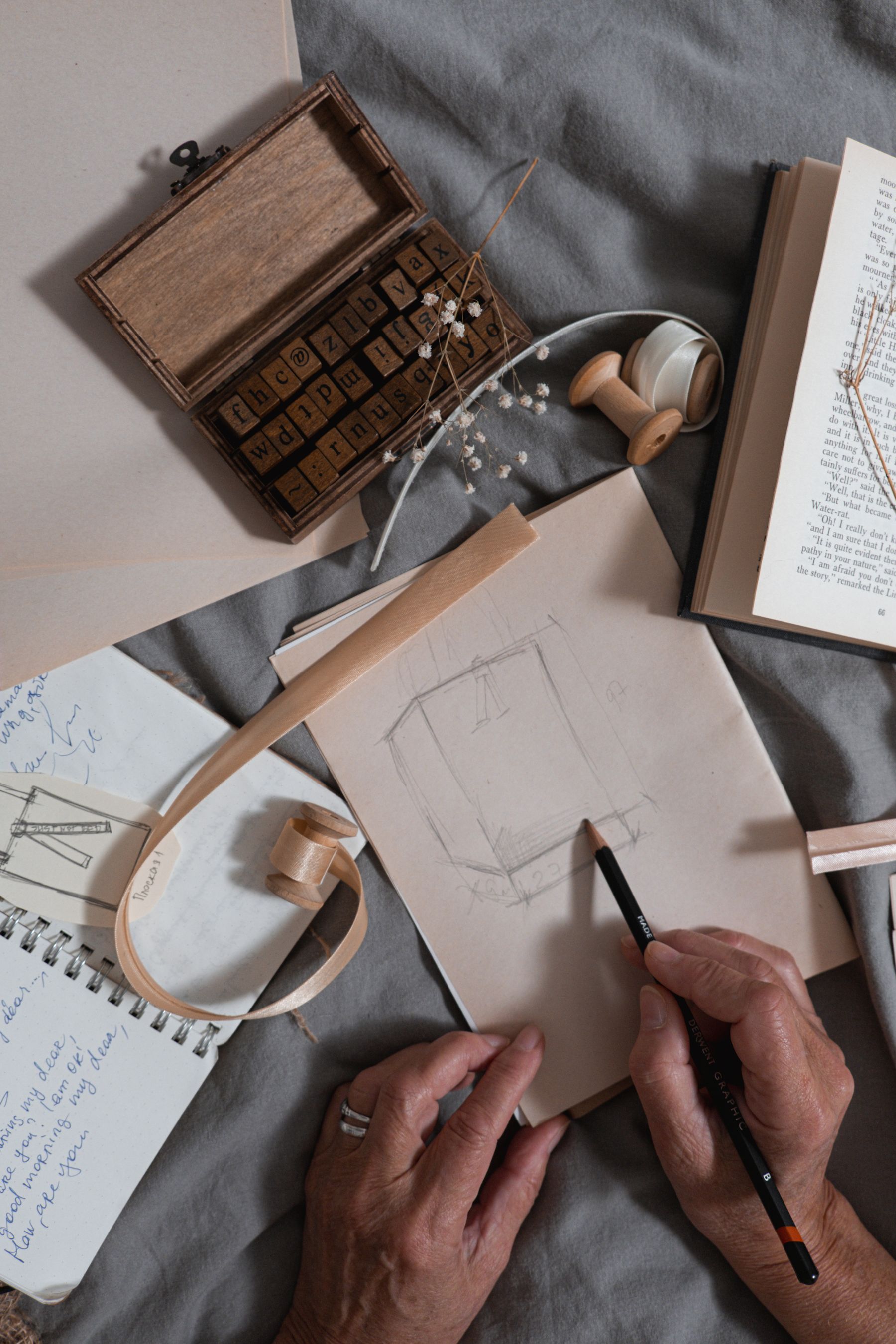
Make the setup teachable
- 01Camera shows hand, tool and work without exposing private space.
- 02Light and colour limits are disclosed before critique.
- 03File route, privacy and response window are confirmed.
- 04Material substitutions are agreed before the session.
Name the visual question before choosing a technique
This learning page on practical online art learning across New Zealand begins with a question that can be tested through making. A learner identifies the subject, medium, available time and reason for practising, then writes what they want to notice rather than promising what the finished work will look like. For New Zealand learners comparing remote formats, that distinction creates a fair starting point: previous experience can inform the route, but it is not confused with talent or eligibility. The phrase online art classes NZ describes the search need that brought someone here; it does not guarantee that a course is available in every city or that one method suits every hand, body or workspace. The opening brief also records what must be confirmed for a live course instance—tutor, schedule, venue or platform, material list, access arrangements, NZD price, GST treatment and cancellation terms. Until those facts are verified, the page remains an educational outline and enquiry route rather than a booking promise.
Build an observation strip before making a finished work
Observation is made visible through small comparisons. The learner may crop a scene, map large shapes, compare intervals, note the direction of light, photograph a setup they are permitted to record, or create a short material test. Each observation is dated and tied to the specific conditions in which it was made. Drawing begins with sustained looking. Marks record comparisons of angle, interval, edge, value, proportion and negative space; they are evidence of decisions, not a score for innate talent. The aim is not to collect decorative process images. It is to preserve enough context that another person can understand why a mark, exposure, mixture, layer or edit was attempted. New Zealand learners may work at home, outdoors or in a shared setting, but access, weather, privacy, cultural context and property rules vary; a prompt must never imply permission that has not been given. The observation strip ends with one uncertainty and one next check, keeping the exercise open to revision instead of turning the first response into a verdict.
Test the material, tool and workspace as part of the idea
Materials are active participants in practical online art learning across New Zealand. Paper tooth, absorbency, pigment load, brush shape, lens behaviour, ink tack, screen brightness and drying conditions can all change what becomes possible. Learners create a compact test that isolates one relationship at a time, label the tools actually used and retain failed samples where they reveal a useful limit. A recommended item is described by function before brand, which helps New Zealand learners comparing remote formats compare what they already own and avoid buying a complete kit before the task is understood. Safety notes stay proportionate and explicit: sharp tools, solvents, aerosols, pigments, studio ventilation, electrical equipment and outdoor locations may require specialist instructions or supervision beyond an online page. Tidework does not invent a safe setup from a photograph. The live course brief must state required materials, substitutions, protective measures, disposal expectations and any process that cannot be supported in the selected delivery mode.
Work in a bounded sequence that still leaves room for discovery
The main exercise for practical online art learning across New Zealand is broken into a beginning, a small number of controlled variations and a stopping point. Demonstration, if offered in a verified course, should reveal decision-making rather than present a polished result as effortless. The learner makes one response, changes a single condition and compares what became clearer, less useful or simply different. This sequence supports New Zealand learners comparing remote formats because it is repeatable without demanding that everyone imitate the same style. It also prevents a long class from becoming a pile of disconnected tips. Time estimates are treated as planning aids, not measures of seriousness or creativity; drying, mobility, concentration, caregiving and equipment access can all alter a session. The work remains the learner’s. A prompt can focus attention on edge, colour, frame, pressure or rhythm, but it should not appropriate authorship or prescribe a personal story. Progress here means more deliberate choices and a clearer ability to describe them, not conformity to a house look.
Use a contact sheet rather than a vague good-or-bad judgement
Review begins by placing related attempts together. A contact sheet may contain drawings, swatches, photographs, proofs, cropped details or short written notes. The learner first describes visible differences without praise or diagnosis: a value range became narrower, an edge moved, a layer obscured the ground, a frame changed the relationship between subjects, or registration shifted. They then connect each observation to the original question for practical online art learning across New Zealand. This method gives New Zealand learners comparing remote formats a practical alternative to comments such as “more expressive” or “make it pop” that offer no shared reference. Comparison also includes the conditions under which the work was made, so a material failure is not automatically read as lack of ability. Images of people, private interiors, culturally sensitive material and identifiable locations require appropriate permission and care. A course page cannot grant that permission. When peer or tutor feedback is advertised, the current facilitator, group format, moderation, response window and privacy expectations must be confirmed before enrolment.
Ask critique questions that preserve the learner’s agency
Critique for practical online art learning across New Zealand is structured around description, intention, evidence and possible next moves. The maker explains the question and constraints; a reviewer names what they can actually see; both distinguish interpretation from fact. Instead of redesigning the work, the reviewer asks which relationship the maker wants to test and offers more than one plausible route. The learner records which suggestion they will try, which they will not use and why. This makes feedback useful to New Zealand learners comparing remote formats without positioning taste as universal authority. It also creates a boundary around sensitive work: a participant is not required to disclose personal history to justify an image, and a group must know how work will be displayed, photographed or discussed. Tidework’s published outlines do not claim named tutors, guaranteed critique, small class sizes or a particular response time. Those are operational facts for a live offer. Self-review prompts remain available when facilitated feedback is not confirmed, and the page states that difference plainly.
Keep a process record that can guide the next session
The retained output is A scoped practice route + studio record. It gathers the initial question, selected tests, material or camera details, comparison notes, a decision and one revision trigger. It is not inflated into a qualification, professional licence, portfolio guarantee or proof of employment readiness. Learners decide what remains private and may use cropped or reconstructed examples when a subject, location or organisation should not be identified. A useful caption distinguishes the work from the conditions around it: medium, scale, date, process stage and the question under review. For online art classes NZ, this record creates continuity between sessions and supports a more specific enquiry if a live course is considered. It also protects against the illusion that only a final image matters. A resolved work can be valuable, but so can a test that exposes an incompatible layer, a confusing sequence or a composition that needs a different crop. Documentation serves the next decision; it does not turn every experiment into public content.
Choose the next learning route from the work in front of you
The closing route follows the evidence in the learner’s record. Someone still comparing basic shapes and values may continue with observational drawing; a painter who can control mixtures but struggles to organise the frame may choose composition; a photographer with consistent exposure may need editing and sequence; a printmaker may need proofing or registration before a larger edition. The page connects practical online art learning across New Zealand to the course collection, one related guide, the studio method, format and fee questions, accessibility planning and the enrolment enquiry. These links are written as genuine next decisions rather than repetitive keyword anchors. Before submitting an enquiry, New Zealand learners comparing remote formats can check medium, suggested starting point, required materials, delivery constraints and the output they want to build. Tidework then needs to verify real dates, tutor identity, support, platform or venue, capacity, NZD price, GST and terms. The purpose of this learning page is therefore concrete: look more carefully, make a bounded comparison, keep the reasoning and choose a next question without promising artistic, academic or commercial outcomes.
KEEP MOVING THROUGH THE STUDIO